Flint Paper: Complete Guide to Grades, Uses & Bulk Supply in India
What Is Flint Paper, and How Is It Made?
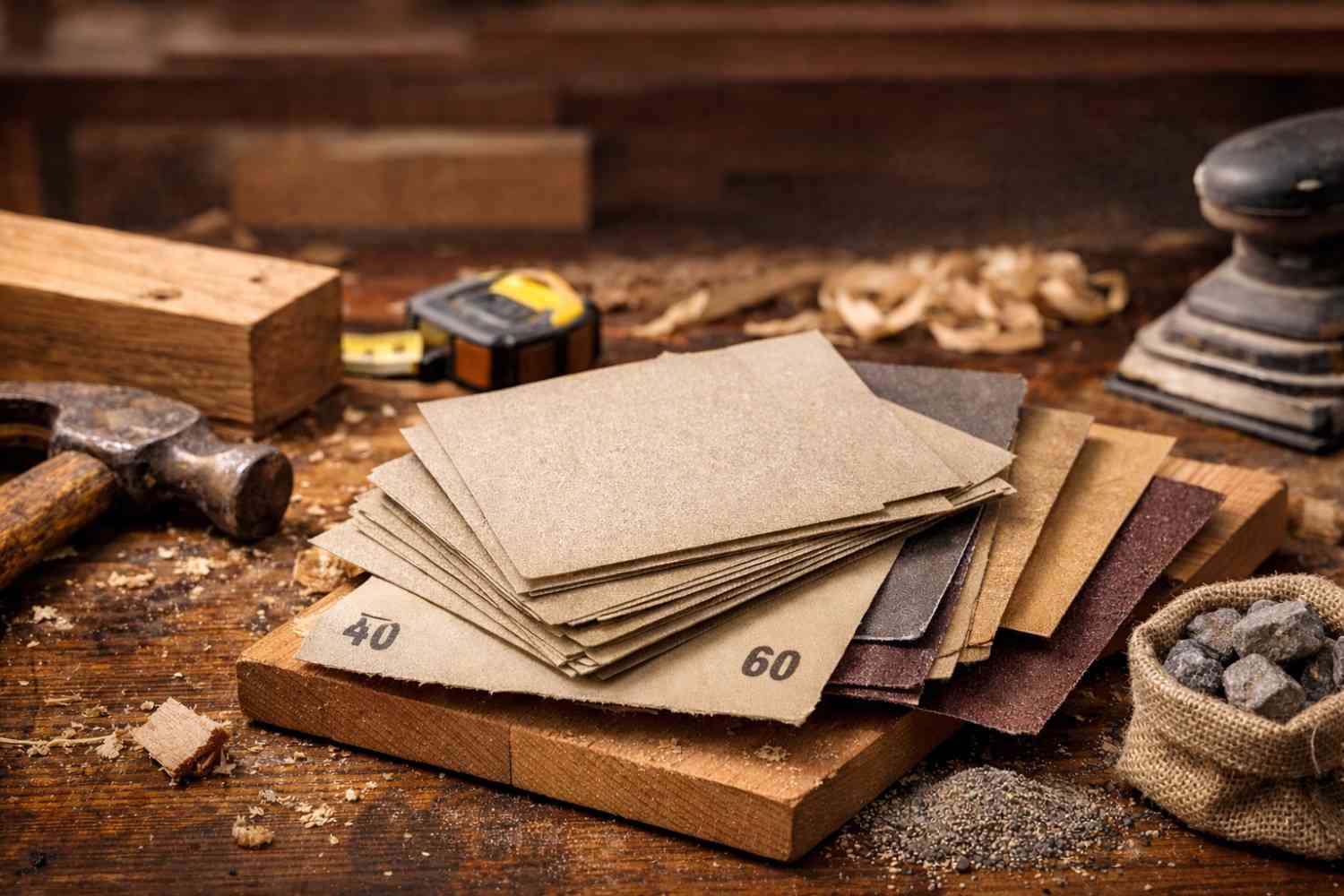
Flint paper is one of the oldest abrasive products still in commercial use today. It is made by bonding crushed flint, a naturally occurring silica mineral, onto a paper backing using an adhesive. The result is a sharp, light-colored abrasive sheet that is effective for sanding wood, particularly softer wood species that are common in furniture and joinery work across India.
The manufacturing process for flint paper begins with the preparation of the flint mineral, which is ground and sieved to produce consistent particle sizes that correspond to different grit grades. Flint paper manufacturing in India has grown alongside the country's furniture and woodworking sectors, with manufacturers in industrial clusters like Ahmedabad, Gujarat, producing abrasive products that supply domestic hardware retailers, timber merchants, and furniture exporters across the country.
While synthetic abrasives like aluminum oxide—used in aloxide cloth rolls—are harder and more durable, flint paper occupies a unique and important position because of its cost efficiency and specific suitability for wood sanding applications.
Why Flint Paper Remains Popular in Indian Woodworking and Carpentry
India's woodworking and furniture manufacturing sector is enormous, spanning everything from small single-carpenter workshops in rural areas to large export-oriented furniture factories in industrial zones. Across this entire spectrum, cost management is a constant concern, and flint paper's low price per sheet makes it the abrasive of choice for tasks where a premium product would simply add cost without adding proportional value.
For a carpenter sanding down a rough-sawn timber surface before the first shaping pass, or a furniture workshop doing bulk production sanding of softwood cabinet panels, flint paper delivers exactly the performance required at the lowest possible input cost. Hardware shops that serve local carpenters, furniture makers, and general tradespeople consistently find flint paper among their fastest-moving abrasive products. It sits alongside emery paper and sandpaper sheets and rolls as a core part of any well-stocked abrasives section.
Flint Paper Grades and What Each One Is Used For
Coarse grades—typically in the 40 to 80 grit range—are used for the first sanding pass on rough or freshly sawn timber. At this stage, the goal is material removal rather than finish quality. Coarse flint paper cuts through raised grain, mill marks, planer ridges, and surface roughness quickly, preparing the wood for subsequent finer passes.
Medium grades in the 100 to 150 grit range are the workhorses of general woodworking. They remove the coarse scratches left by the first pass without being so fine that they work too slowly on still-rough surfaces. Fine grades from 180 to 220 grit are used for the final preparation before applying stain, paint, varnish, or other surface coatings. A 180 or 220 grit final pass with flint paper is sufficient for most standard furniture finishing applications.
Where Flint Paper Works Well and Where It Has Limitations
Flint paper is best suited to wood, specifically softer wood species like pine, poplar, and cedar. For harder wood species, metal, or any application requiring a durable abrasive under sustained mechanical stress, products like aloxide cloth rolls or emery cloth rolls will outperform flint paper significantly. The natural flint mineral is relatively soft compared to synthetic abrasives, meaning flint paper wears down faster on dense hardwoods like teak, rosewood, and mango wood. Flint paper is also not suited to wet sanding, as the paper backing and adhesive bond are not waterproof.
Flint Paper Manufacturing in India: Quality and Supply Considerations
Flint paper manufacturing in India has a long history tied to the growth of the country's woodworking, furniture, and construction sectors. Manufacturers based in Ahmedabad, Gujarat, produce abrasive sheets for distribution across India's retail hardware network. At Maruti Industries, we are part of this manufacturing. Our abrasive products are made to consistent quality standards and supplied to hardware retailers, timber merchants, and furniture manufacturers across the country.
One of the important quality considerations in flint paper is the consistency of the grit application. Uneven grit distribution produces uneven sanding results, a problem that becomes very apparent when the surface is stained and light catches it at an angle. For hardware retailers and distributors evaluating flint paper suppliers, asking for samples before committing to a bulk order is always advisable.
How Hardware Shops Should Stock and Sell Flint Paper
For hardware shop owners looking to build out their abrasives range, flint paper is a must-stock product that serves a consistent and loyal customer base. Stocking flint paper alongside emery paper, sandpaper sheets and rolls, and aloxide cloth rolls gives customers a full range of abrasive choices. In terms of range, stocking at minimum three grades—a coarse (60 or 80 grit), a medium (120 grit), and a fine (180 or 220 grit)—covers the vast majority of customer needs.
Bulk purchasing from a manufacturer like Maruti Industries gives hardware retailers better per-unit pricing, which improves margins and allows competitive shelf pricing. Connect with us through our Google Business Profile or directly via our website to discuss wholesale pricing and supply arrangements.
Flint Paper vs Emery Paper: Understanding the Difference
Flint paper uses natural silica flint as its abrasive mineral and is best suited to woodworking and light sanding applications. Emery paper uses emery mineral, a natural blend of corundum and iron oxide, which is significantly harder, making emery paper a better choice for metal surfaces. A simple recommendation framework—flint for wood and emery for metal—gives customers a clear and reliable guide that leads to better outcomes and more satisfied repeat customers.
Sourcing Flint Paper in Bulk from a Trusted Indian Manufacturer
For hardware distributors, abrasive wholesalers, and large furniture manufacturers looking to source flint paper at scale, working directly with a manufacturer offers clear advantages over purchasing through multiple intermediaries. Flint paper manufacturing in India is well established, and manufacturers like Maruti Industries in Ahmedabad, Gujarat, are equipped to handle consistent bulk supply across a range of grades and sheet sizes.
Our full abrasive product range covering flint paper, emery paper, emery cloth rolls, aloxide cloth rolls, and sandpaper sheets and rolls means that distributors can consolidate their abrasive purchasing with a single reliable supplier. Visit us on our Google Business Profile or reach out through our website to get started.
Conclusion: Flint Paper Earns Its Place in Every Serious Abrasives Range
Flint paper may not be the most technologically advanced abrasive product on the market, but its combination of low cost, adequate performance for wood sanding, and consistent demand from carpenters and woodworkers across India makes it an essential product for any hardware shop or abrasive distributor. With flint paper manufacturing in India producing a consistently available and reliably priced product, there is no reason for any serious hardware shop to leave this category understocked. Explore the full range of abrasive products at Maruti Industries, and contact our team for samples, grades, pricing, and bulk supply arrangements.
