What is Emery Cloth? Best Uses, Grit Sizes, Price & Top Manufacturers in India
In the world of metal finishing, woodworking, and surface preparation, one tool stands out for its versatility and effectiveness—emery cloth. This abrasive material has been used for decades by mechanics, carpenters, metalworkers, and DIY enthusiasts to smooth surfaces, remove rust, and polish metals. While many people compare emery cloth with sandpaper, the two materials serve slightly different purposes. If you have ever wondered what is emery cloth, how to use it, or its exact specifications, this detailed guide will provide you with everything you need to know.
What is Emery Cloth?
Emery cloth is an abrasive sheet material made by bonding natural or synthetic emery grains to a strong cloth backing. Unlike sandpaper, which usually has a paper base, emery cloth uses a durable cotton or polyester fabric backing, giving it extra strength and flexibility.
The abrasive grains used in emery cloth are primarily made of corundum (aluminum oxide) mixed with iron oxide. This combination gives it a distinctive black or dark gray appearance and makes it suitable for working on hard surfaces like metal.
Because of its cloth backing, emery cloth does not tear as easily as paper-based abrasives. This makes it especially useful for metal finishing, rust removal, and polishing cylindrical objects such as pipes, rods, or automotive parts.
Difference Between Emery Cloth and Sandpaper
A common question people ask is: “Is emery cloth the same as sandpaper?”
The short answer is no. While they both fall under the category of abrasives, there are some important differences:
Backing Material: Sandpaper is made on paper, while emery cloth is made on cloth. This makes emery cloth more durable.
Application: Sandpaper is usually used for wood, paint, and softer surfaces, while emery cloth is designed for metal finishing, rust removal, and polishing hard surfaces.
Flexibility: Emery cloth can bend and wrap around pipes or rods without tearing, whereas sandpaper may break easily.
So while sandpaper is great for woodworking, emery cloth sandpaper (as it is sometimes called) is the go-to choice for professionals working with metals.
What is Emery Cloth Used For?
The primary uses of emery cloth include:
Metal Polishing – It provides a smooth finish on steel, aluminum, copper, and brass.
Rust Removal – Mechanics often use it to remove rust and corrosion from tools and automotive parts.
Pipe and Rod Cleaning – Its flexible backing allows it to wrap around cylindrical objects for uniform cleaning.
Surface Preparation – Before welding, painting, or coating, emery cloth prepares the surface by removing oxidation and rough spots.
Sharpening Tools – It can be used to sharpen blades, knives, and chisels with controlled abrasion.
Because of these applications, emery cloth has become an essential tool in workshops, garages, and industries.
What Grit is Emery Cloth?
When it comes to abrasives, grit size plays a critical role. Grit refers to the size of the abrasive particles on the surface. Emery cloth is available in various grit sizes, from coarse to fine, depending on the level of finishing required.
Coarse Grit (40–80 grit): Used for heavy rust removal and aggressive material cutting.
Medium Grit (100–180 grit): Ideal for general-purpose cleaning and smoothing.
Fine Grit (220–400 grit): Used for polishing metals and preparing surfaces for painting or coating.
Extra Fine (600+ grit): For ultra-smooth finishes, particularly in precision work.
So, if you are wondering what grit is emery cloth, the answer depends on your application. Coarse grits handle tougher jobs, while finer grits provide a polished finish.
How to Use Emery Cloth
Using emery cloth is straightforward, but knowing the right technique ensures better results. Here are some common ways to use it:
Hand Sanding:
Cut a strip of emery cloth.
Wrap it around the object or hold it flat against the surface.
Apply moderate pressure and move it back and forth until the desired smoothness is achieved.
Polishing Pipes and Rods:
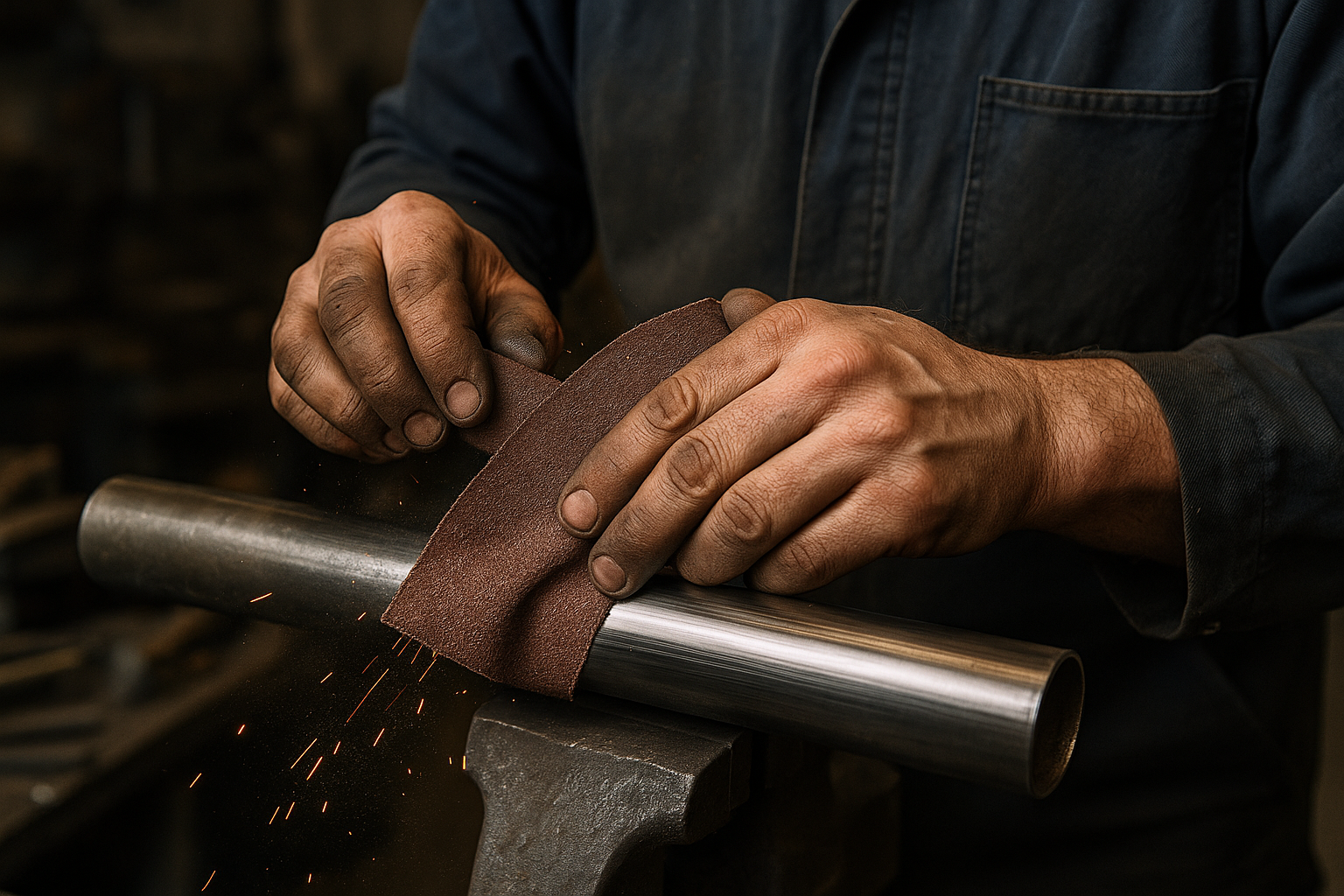
Wrap the emery cloth around the cylindrical surface.
Pull both ends back and forth like you are shining a shoe.
This evenly polishes the round object.
Rust Removal:
Use coarse grit emery cloth to scrub away rust.
For final finishing, switch to a finer grit.
With Power Tools:
Emery cloth can be attached to sanders or polishing machines.
Always ensure it is securely fixed to avoid accidents.
Remember, when learning how to use emery cloth, always match the grit size with your project’s requirement for the best outcome.
Advantages of Emery Cloth
Why do professionals prefer emery cloth over other abrasives? Here are the key benefits:
Durable Backing – The cloth base ensures it doesn’t tear easily.
Water and Oil Resistant – It can be used in wet sanding applications.
Flexibility – Can be wrapped around curved or round objects.
Versatility – Suitable for various metals and surfaces.
Consistent Finish – Provides uniform polishing and cleaning.
These advantages make emery cloth a reliable choice in industries like automotive repair, metal fabrication, and construction.
Emery Cloth Specification
When buying emery cloth, you may come across various specifications. These typically include:
Backing Material: Cotton or polyester cloth.
Abrasive Grain: Natural emery (aluminum oxide + iron oxide).
Grit Size: Ranges from coarse (40) to extra fine (600+).
Form: Available in sheets, rolls, or belts.
Width & Length: Rolls usually come in standard sizes such as 25mm x 50m.
Bonding: Resin or glue holds abrasive grains firmly on the cloth.
Knowing the emery cloth specification helps you select the right product for your project.
Why Emery Cloth is Still Relevant Today
With the advancement of modern abrasives, one may wonder if emery cloth is still relevant. The truth is, despite newer materials like silicon carbide or zirconia, emery cloth remains widely used because of its balance of cost, performance, and versatility.
It is particularly popular in:
Automotive Workshops for cleaning engine parts.
Plumbing for cleaning pipes before soldering.
Metalworking Industries for finishing fabricated parts.
DIY Projects for polishing knives, tools, and metal furniture.
Practical Tips for Using Emery Cloth
To maximize results when using emery cloth:
Always start with coarse grit and move to finer grits for a polished finish.
Cut small strips for easier handling.
Use protective gloves when working on sharp metal surfaces.
For delicate surfaces, test with a finer grit first.
Store emery cloth rolls in a dry place to prevent moisture damage.
From what is emery cloth to its uses, specifications, and advantages, this guide has covered everything you need to know about this essential abrasive tool. Whether you are a mechanic removing rust, a plumber preparing pipes, or a DIY enthusiast polishing metal, emery cloth provides the strength, flexibility, and durability you need.
While many people confuse it with sandpaper, emery cloth stands apart because of its cloth backing, grit variety, and ability to handle tough metal surfaces. Understanding what grit is emery cloth and how to use emery cloth correctly ensures you achieve the best results in your projects.
